This transcript was generated automatically. Its accuracy may vary
Short Summary
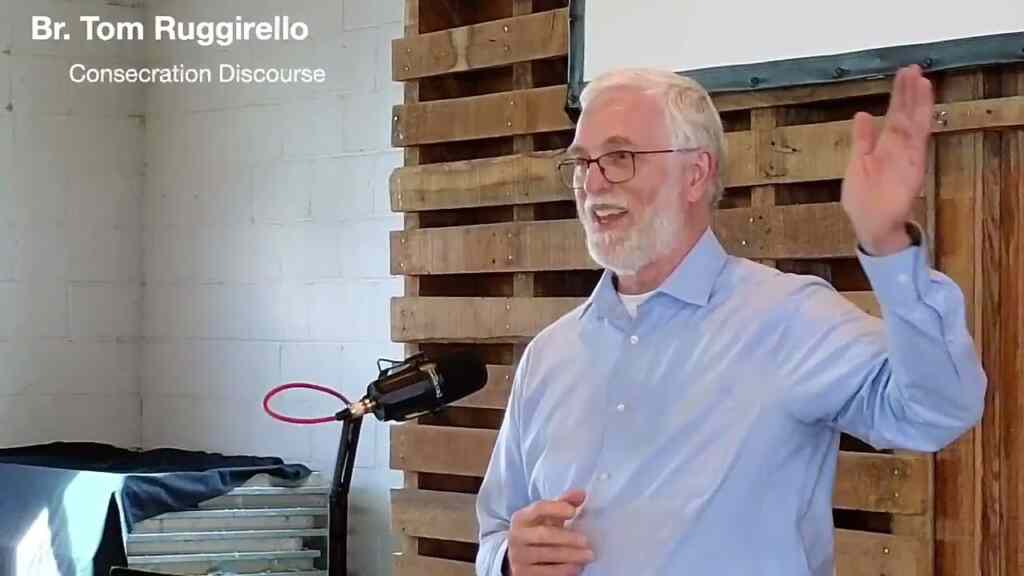
The discourse reviews the life of King David from his rise to kingship through his reign, highlighting his devotion to God, leadership qualities, and personal flaws. It emphasizes David’s reliance on Jehovah’s guidance, his sincere repentance after sinning, and the importance of family and spiritual obedience. D...
This transcript was generated automatically. Its accuracy may vary
Short Summary
The discourse reviews the life of King David from his rise to kingship through his reign, highlighting his devotion to God, leadership qualities, and personal flaws. It emphasizes David’s reliance on Jehovah’s guidance, his sincere repentance after sinning, and the importance of family and spiritual obedience. Despite his imperfections, David is portrayed as a man after God’s own heart, whose life offers valuable lessons on faith, repentance, and leadership.
Long Summary
Detailed Summary of the Discourse on “David: A Man After God’s Own Heart”
Convention Theme and Text
– Theme: “A man after God’s own heart”
– Key Scripture: Proverbs 4:23 — “Watch over your heart with all diligence, for from it flow the springs of life.”
– Focus: David’s life from his kingship beginning through his death.
Background and Approach
– The speaker acknowledges the difficulty in summarizing 40 years of David’s reign in one hour.
– Handouts provided cover a comprehensive biography of David’s kingship, primarily using 2 Samuel and 1 Chronicles (chapters 10-29) as scriptural sources.
– Differences in accounts exist but combined for richer detail.
David’s Rise to Kingship
– Saul was rejected by God after only two years as king due to disobedience (1 Samuel 13:14).
– Saul’s tragic decline and eventual suicide are described (1 Samuel 31:4-6).
– 1 Chronicles 10:13-14 clarifies that although Saul took his own life, it was under God’s providence (“Therefore he slew him and turned the kingdom unto David”).
– David was chosen by God as “a man after his own heart” (1 Samuel 13:14).
David’s Anointing and Early Reign
– At about age 30, David was anointed king over Judah at Hebron (2 Samuel 2:1-4).
– He inquired of Jehovah before acting, showing his dependence on God’s direction.
– David reigned over Judah for 7 years and 6 months; Ish-Bosheth, Saul’s son, reigned over the rest of Israel for 2 years (2 Samuel 2:8-11).
– Ish-Bosheth was eventually murdered; David executed the perpetrators, showcasing his justice.
– All Israel later anointed David king over all Israel and Judah at Hebron (2 Samuel 5:1-5).
– David was 30 years old when he began to reign and reigned 40 years total (7½ in Hebron, 33 in Jerusalem).
David’s Family Life
– David had multiple wives and children—six sons born in Hebron (1 Samuel 3:2-5) and more born in Jerusalem (2 Samuel 5:13-16).
– Polygamy was permitted but warned against for kings (Deuteronomy 17:17).
– David’s large family and many relationships led to challenges and problems later, including his greatest fault: yielding to fleshly passions (e.g., Bathsheba incident).
Heart Lesson: The importance of family nurturing and training children spiritually (Proverbs 22:6; Deuteronomy 6:4-7).
David as Military Leader and Nation Builder
– David conquered Hittites, Philistines, Moab, Ammon, Edom, and expanded Israel’s territory tenfold (from 6,000 to 60,000 square miles).
– He secured commercial trade routes, fostering prosperity and culture.
– The King of Tyre sought alliance with David.
– David unified Israel under Jehovah’s worship, which brought national prosperity.
Capture of Jerusalem and Establishment as Capital
– Jerusalem (also called Jebus or Salem) was a Jebusite city, captured by David around 7½ years into his reign (2 Samuel 5).
– David made it his political and spiritual center, known as the City of David and Zion.
David’s Mighty Men
– A list of his elite warriors is in 1 Chronicles 11-12.
– These men came from various regions, and their listing serves a meaningful purpose, encouraging deeper study.
The Ark of the Covenant and Its Journey to Jerusalem
– The Ark was at the house of Abinadab for about 20 years after being returned from Philistine captivity (1 Samuel 7).
– David sought to bring the Ark to Jerusalem (2 Samuel 6; 1 Chronicles 13, 15, 16).
– He consulted leaders and the entire assembly, showing his heart for collective spiritual unity.
– Initial attempt to move the Ark on a new cart (instead of being carried by Levites as prescribed in Numbers 4:15) led to the death of Uzzah for touching the Ark (2 Samuel 6:6-9).
– David took responsibility for the mistake (1 Chronicles 15:3,13).
– The Ark was temporarily placed in the house of Obed-Edom, a Levite/Gittite, whose household was blessed during its stay (2 Samuel 6:10-11).
– Eventually, the Ark was brought into Jerusalem with great rejoicing, music, and dancing (2 Samuel 6:12-15).
– Michal, Saul’s daughter and David’s wife, despised David’s joyful worship and criticized him, resulting in her barrenness (2 Samuel 6:16-23).
Heart Lessons:
1. Never take God’s presence for granted; always treat it with reverence.
2. Know and obey the details of God’s law.
3. Take responsibility for mistakes rather than blaming others (collective responsibility).
4. Avoid despising others, especially in family or spiritual relationships (Colossians 3:12-14).
David’s Organizational Skills
– David established a structured government with appointed leaders:
– Joab, commander of the army
– Jehoshaphat, recorder/historian
– Zadok and Ahimelech, priests
– Seraiah, scribe/treasurer
– Benaiah, over palace guards
– David’s sons served as ministers/administrators (2 Samuel 8:15-18).
David’s Greatest Sin and Repentance
– The sin with Bathsheba (2 Samuel 11) involved adultery and arranging Uriah’s death.
– Nathan the prophet confronted David, leading to confession: “I have sinned against Jehovah” (2 Samuel 12:13).
– David’s repentance involved:
1. Confession of sin — sincere and heartfelt (unlike many biblical figures who said “I have sinned” without true repentance).
2. Penitence — demonstrated by fasting and mourning for his sick child (2 Samuel 12:16).
3. Replacement — turning away from sin and adopting righteous behavior.
Heart Lessons:
– Recognize and confess sin honestly (James 5:15; 1 John 1:9).
– True repentance produces godly sorrow and a desire to make restitution.
– Overcome rationalizations and self-justifications that blind to sin (Jeremiah 17:9).
Family Troubles and Betrayal
– Absalom’s rebellion and betrayal by Ahithophel, who was Bathsheba’s grandfather, suggesting possible motives of revenge (2 Samuel 16:23).
– David fled Jerusalem via the Kidron Valley to the Mount of Olives, a path later followed by Jesus, highlighting prophetic parallels.
Summary and Encouragement
– David was an imperfect man but truly loved God and was loved by Him.
– His life demonstrates that despite faults and failures, Jehovah’s love and forgiveness are available.
– The goal: develop a heart like David’s — obedient, repentant, and loving toward God.
– Closing blessing for all to cultivate such a heart.
—
Key Bible Verses Mentioned:
– Proverbs 4:23 — “Watch over your heart with all diligence, for from it flow the springs of life.”
– 1 Samuel 13:14 — “But now your kingdom shall not continue; the LORD has sought for Himself a man after His own heart…”
– 1 Samuel 31:4-6 — Saul’s death by suicide.
– 1 Chronicles 10:13-14 — “Therefore the LORD also put him to death…”
– Psalm 78:67-72 — God choosing Judah and David as shepherd.
– 2 Samuel 2:1-4 — David inquiring of Jehovah about becoming king.
– 2 Samuel 5:1-5 — David anointed king over all Israel.
– Proverbs 3:5-6 — “Trust in the LORD with all your heart…”
– Deuteronomy 17:17 — King shall not multiply wives.
– Proverbs 22:6 — “Train up a child in the way he should go…”
– Deuteronomy 6:4-7 — Loving God with all heart and teaching children diligently.
– Numbers 4:15, 7:9 — Instructions on carrying the Ark.
– 2 Samuel 6:6-9 — Uzzah’s death.
– Colossians 3:12-14 — Compassion, kindness, forgiveness in relationships.
– 2 Samuel 7:11 — God’s promise to build a house for David.
– 2 Samuel 11-12 — David’s sin and Nathan’s rebuke.
– Jeremiah 17:9 — “The heart is deceitful above all things…”
– James 5:15 — Confess faults one to another.
– 1 John 1:9 — Confession leads to forgiveness and cleansing.
– Luke 3:8 — “Bring forth fruits worthy of repentance.”
– Matthew 23 — Jesus’ teaching on the house being abandoned.
—
Overall Heart Lessons:
– Constant vigilance over one’s heart and spiritual condition.
– Dependence on Jehovah’s guidance rather than self-reliance.
– The importance of sincere repentance, confession, and turning away from sin.
– Reverence for God’s presence and obedience to His laws.
– The importance of nurturing and leading the family spiritually.
– Leadership impacts the nation’s spiritual health and prosperity.
– Love, forgiveness, and humility are essential in family and spiritual relationships.
– Even imperfect people can be greatly used by God and loved by Him if they have a heart after His own heart.
Transcript
The convention theme, by way of reminder, is a man after God’s own heart. The convention theme text is Proverbs 4:23. Watch over your heart with all diligence, for from it flow the springs of life. We’re going to talk about David’s life from assuming his kingship up to his death.
I think after listening to Brother Tom and Brother John this morning. You shake your head, you say what a life David had, and we haven’t even gotten to the part where he’s king yet. You saw the biography as a young man. You saw what events led up to the point we’re going to consider.
And for me, this was very challenging. How do you compress 40 years of kingship into one hour? Well, we won’t be successful at that. Now, you all have a handout which provides a comprehensive biography of David’s life as king. Now, this handout doesn’t directly apply to the thoughts that we’re going to share today.
The timeline does. But there will be a lot of things on that handout, little parts and pieces of David’s life as king which we won’t touch, and I thought that providing a nice outline of all of the things that David, or at least all of the things that happened to David during his life, as well as the Scriptures, might be a nice basis for some of your own personal study. The book of Second Samuel is an account of David’s life as king. There’s also a second account, first Chronicles, chapters 10 to, to 29 document the same period of time.
Now, there’s some subtle differences between the two, but we’re going to use primarily, not exclusively, but primarily the account in 2nd Samuel and where we can combine the two to get a little bit more details, we will. Well, let’s talk about first him being installed as king. What were the circumstances that allowed David to be installed as king? Our dear brother John mentioned a few of these, but we want to just take a moment to explore them. In 1 Samuel, chapter 13, verse 14, we have the rejection of Saul.
Now, it was kind of a surprise to me, and Brother Tom mentioned it in his talk this morning, that Saul had only served as king for two years before he fell, before he committed a sin, and before he was rejected, and in 1 Samuel 13:14 is part of that rejection we read here. But now thy kingdom shall not continue. Jehovah hath sought him, a man after his own heart, and Jehovah hath appointed him to be prince over his people.
Because thou has not kept that which Jehovah commanded thee. So there’s the rejection. You know, as Tom mentioned, 38 more years of Saul, and unfortunately he kind of slid down lower and lower as the time went on. It’s so sad because he appeared to be such a humble man at the beginning, but he lost that. So Saul dies.
How does Saul die? Well, he commits suicide. Let me read this circumstance here as well. Second Samuel, chapter 31, verses 4 through 6. I think it should say, First Samuel.
I think I have that wrong there. Then said Saul to his armor bearer, draw thy sword and thrust me through therewith, lest these uncircumcised come and thrust me through and abuse me. But his armor bearer would not, for he was sore afraid. Therefore Saul took his sword and fell upon it, and when his armor bearer saw that Saul was dead, he likewise fell upon his sword and died with him.
So Saul died, and his three sons and his armor bearer and all his men that same day all together. Again, you find a parallel in 1 Chronicles chapter 10 to all of this. So Saul committed suicide. What if I told you that Jehovah slew Saul? Wait a second.
You just read it. He committed suicide. Let me read from 1 Chronicles 10, 13, 14, and this is a good illustration of how important perspective is when we study Scriptures. Because we can look at something from one perspective and draw a deduction or a conclusion.
We can look at things from another perspective and draw a different conclusion. First Chronicles 10, 13 and 14. So Saul died for his trespass, which he committed against Jehovah, because the word of Jehovah which he kept not, and also for that he asked counsel of one that had a familiar spirit to inquire thereby, and inquired not of Jehovah. Therefore he slew him and turned the kingdom unto David, the son of Jesse. Right there it says, jehovah slew him.
Well, which was it? Well, both you can see the perspectives, different perspectives that we’re talking about from the standpoint of God. He had taken away the kingdom from Saul, and the result was his death. He introduced his death. Saul, yeah, took his own life, but it was at the providence of God.
So now it’s time for David to become Israel. Saul is gone, a shepherd of the people. I found this a nice, beautiful account of David and the choosing of Judah in the 78th Psalm, verses 67 through 72. I have no doubt you’re going to hear a lot more from Psalms these days because we’re talking about David, and as one of the brethren mentioned, David was responsible for writing at least half of this half of the Psalms.
This is Psalm 78:67 through 72. Moreover, he refused the tent of Joseph and chose not the tribe of Ephraim, but chose the tribe of Judah, the Mount Zion which he loved, and he built a sanctuary like the heights, like the earth, which he established forever. He also chose David, his servant. This is about age 17.
As Brother Tom took us through and took him from the sheepfolds, following the youths that have had their young. He brought him to be the shepherd of Jacob, his people, and Israel his inheritance. So as Tom showed, he went from shepherding the flock to shepherding the people at age 30, a little bit more. So he was their shepherd, and I love this according to the integrity of his heart and guided them by the skillfulness of of his hand.
And that’s the final 40 years of his life. So what was David’s first response on hearing the reign of Saul was over? If you were selected to be king and you were waiting for it, and you heard that your successor is God, what would you do? Well, what did David do? He inquired of Jehovah, 2nd Samuel 2:1:4.
And it came to pass after this that David inquired of Jehovah, saying, shall I go up into any of the cities of Judah again? This is right after he heard, saul is dead, he’s gone. The way is open for you to be king. So he says, what do I do? And Jehovah said unto him, go up.
And David said, whither shall I go up? He said, unto Hebron. I think the Jewish pronunciation is Hebron, maybe Hebron for you, Hebron for me. So David went up thither and his two wives also Ahinoam the Jezreelitess, and Abigail the wife of Nabal the Carmelite, and his men that were with him. Did David bring up every man with his household, and they dwelt in the cities of Hebron.
And the men of Judah came, and there they anointed David king over the house of Judah. Again, brother Tom mentioned the anointings. Here is the anointing as king. David did not immediately rush into the kingship, even though he knew that he would succeed Saul to the throne. Rather, he inquired of God and patiently waited for his instruction.
And the instruction was to go to Hebron, and there the man of Judah anointed him king, and he would rule over Judah as king seven years and six months. By the way, here’s a couple of references that will let you know that David did know that this was going to happen to him in 1st Samuel 16:1, and Jehovah said unto Samuel. How long will thou mourn for Saul, seeing I have rejected him from being king over Israel?
Fill thy horn with oil and go, and I will send thee to Jesse the Bethlehemite, for I have provided me a king among his sons again. Brother Tom showed that very beautifully, and brother John as well also. 1st Samuel 23:17. You know we’re talking about Jonathan. A few mentions of Jonathan in our lessons this morning.
This is Jonathan speaking, 1st Samuel 23:17, and he Jonathan said unto him, fear not for the hand of Saul. My father shall not find thee, and thou shall be king over Israel, and I shall be next unto thee, and that also Saul my father knoweth this is a little bittersweet, isn’t it? Jonathan, the son of Saul, knew that he was not going to inherit the kingdom.
It didn’t bother him. He knew that David would be the next king, and he anticipated being there with him. As it happened, he died along with Saul at the same time. Jonathan never got that, but he was hoping. It’s been commenting about what a good man Jonathan was.
And just think about this, that somebody else is taking over what should be your successive right to be king, and you still love him. You still want to be with him. Brethren, there’s some heart lessons for us, and I’m going to use that expression many times in our lesson this morning. Heart Lessons for us Remember, our theme is about the heart.
As opportunities open for service to us, do we routinely seek the direction of God in prayer as we handle the opportunity? Doing so is a characteristic of those who have a heart. Like David, we should not rely upon our own thinking. We must seek Jehovah’s counsel if we want true and faithful direction in our lives. Proverbs 3, 5, 6.
This is almost a counterpoint to our convention theme. Trust in Jehovah with all thy heart, and lean not upon thine own understanding in all thy ways. Acknowledge him, and he will direct your path. Now, as an aside, Saul did have another son, Ishbathesh, and they made him king over the rest of Israel. Remember, this is the tribe of Judah rallied behind David, King in 2nd Samuel, chapter 2, verses 8 through 11.
A little bit of information here about Ish Bosheth. Now, Abner the son of ner, captain of Saul’s house, had taken Ish Bosheth, the son of Saul, and brought him over to Mahanaim and made him king over Gilead and over the Asherites, and over Jezreel and over Ephraim, and over Benjamin over all Israel. Ish Bosheth Saul’s son was 40 years old when he began to reign in Israel. He reigned two years. But the house of Judah followed David.
And the time that David was king in Hebron over the house of Judah was seven years and six months. So in these first two years, there was a little bit of a conflict here. You had two kings, King David and Ish Bosheth, king’s king Saul’s son. By the way, Ish Bosheth lasted only two years because he was murdered. Two of the people that were within his entourage there slew him, cut his head off.
Not nice people are. They brought it to David saying, hey, look, we brought your competitor. Well, give you one guess what happened to those guys. David was horrified at what they had done and had them put to death. All right, so we have seen that David reigned for seven years and six months at Hebron.
And we have a good historical Description. The time. 2nd Samuel, chapter 5, verses 1 through 5. Then came all the tribes of Israel to David unto Hebron and speak, saying, behold, we are thy bone and thy flesh. In times past when Saul was king over us, it was thou that leddest out and broughtest in Israel.
And Jehovah said to thee, thou shalt be shepherd of my people, and thou shalt be prince over Israel. So all the elders of Israel came to the king to Hebron, and King David made a covenant with them in Hebron before Jehovah, and they anointed David king over Israel. David was 30 years old when he began to reign.
And he reigned 40 years in Hebron. Reigned he over Judah, seven years and six months, and in Jerusalem he reigned 33 years over all Israel and Judah. Again, a parallel account in 1st Chronicles, chapter 11, and on your handout you’ll see these parallel accounts.
So hopefully we got both of them. All right, we’re still in Hebron. David’s family increased quite a bit during that time. David had wives and children there. In First Samuel, chapter three, verses two through five, we have a little picture of David’s household there.
And unto David were sons born in Hebron, and his firstborn was Amnon of Ahinoam the Jezreelitess, and the second was Chiliab of Abigail, the wife of Nabal the Carmelite, and the third, Absalom the son of Maacah and daughter of Ptolemy, king of Geshur, and the fourth, Adonijah the son of Haggith.
And the fifth, Shaphatiah the son of Abital, and the sixth, Ithra of Israel, David’s wife. These were born in Hebron. So he’s got six wives listed there. He’s got six sons. Now, polygamy was allowed under the law, but this is an interesting development.
When he moved to Jerusalem, he took more wives and concubines. Second Samuel, chapter five, verses 13 through 16, and David took him more concubines and wives out of Jerusalem after he was come from Hebron, and there were yet sons and daughters born to David, and these are the names of those that were born in Jerusalem.
And it gives a whole bunch of name listing of others as well. By any account, David had a lot of wives, a lot of concubines and a lot of children. You think this was Jehovah’s? Let me restate that. You think Jehovah approved of this?
Well, nothing is said of David specifically, but In Deuteronomy chapter 17, verse 17, it says, neither shall he multiply wives to himself. This is the prophecy about the kingship again. Part of this was quoted earlier. Today God says having a lot of wives is not a good idea. What’s the problem?
Well, King David was a passionate man and no doubt loved all these women and his children deeply. But these unrestrained human passions would seem to be a weakness in David’s character. With such an enormous family, he would not be able to focus on a core family connection and provide the fatherly relationship that should characterize a relationship with sons and daughters. These undisciplined children would later cause David all sorts of problems. As will see, David’s greatest fault seems to be that he yielded to the passions of his flesh.
And as I mentioned, though the Bible makes no particular comment about it, David’s later sin with Bathsheba might be seen as an extension of this character weakness. What’s the heart lesson for us? Families are important. Children are important. Now, we don’t practice polygamy in our society today, but the taking care and the training of your children is an absolute requirement for the spirit begotten.
Family is a marvelous creation of Jehovah God. The ability to bring children into the world is both precious and sobering. As we said, it carries a serious responsibility for training and nurturing. Proverbs 22:6. Train up a child the way that he should go, and even when he is old, he will not depart from it.
Deuteronomy 6, 4, 7. Hear, O Israel, Jehovah, our God is one Jehovah, and thou shalt love Jehovah thy God with all thy heart, thy soul, and with all thy might, and these words which I command thee this day shall be upon thy heart. Notice two references to heart here, and thou shalt teach them diligently unto thy children, shalt talk of them when thou sittest in the house, when thou walkest by the way, and when thou liest down again, when there rises up.
What is the law saying? That the nurturing and the teaching of children ought to go on all the time. It doesn’t matter what the family activity, those spiritual aspects and those spiritual lessons. Because of the sheer number of David’s children, he could not have done as he should have and the consequences of this sin of omission within his family. We see as we continue to review David’s life as king.
As a military commander, he accomplished a lot of things. Here’s a short list. The Hittites had been fully conquered. The 21st Dynasty of Egypt had all but collapsed. The Philistines were pushed to a narrow court of their old dominion.
The King of Tyre sought a friendly alliance with King David. Moab and Ammon were conquered. Edom had risen against David, but was routed by David’s general Abishai. He expanded Israel’s land from 6,000 square miles at the beginning of his reign to 60,000. This is a tenfold increase in land controlled by the reign of King David.
The commercial highways were fully open and protected, leading to a robust economy with merchandise, culture, wealth from Phoenicia, Damascus, Assyria, Arabia, Egypt, and many more places. King David was unquestionably the mightiest monarch of his day. He unified the nation under the worship of Jehovah God, creating a national interest in spiritual things. By the way, let me just take a little detour here. It was mentioned this morning, I think, by both brethren how important leadership is in a nation.
The nation as a whole went as the leadership went. You had a bad king, things in the nation didn’t go well. You had a good king, things went much better. David was a good king. The worship of Jehovah God was very important to him, and that’s how he taught the people.
And guess what the result was? Surprising. No. They prospered. They were blessed.
King David was a remarkable man, a brilliant organizer, manager and planner, and as we get down a little bit more, we’ll see a little bit about that organization. All right, now we’re seven and a half years into his reign, and it’s time now for him to acquire Jerusalem, which became his capital. Now, what was happening in the meantime? Well, Jerusalem was the habitation of a Canaanite family called the Jebusites.
In fact, they called the city Jebus. By the way, that’s at least two names of the same city. Jebus and Jerusalem. Can anybody think of a third name earlier name?
Salem? There it is. Yeah, it’s all the same city. Salem, Jebus, Jerusalem. The brief account in 2nd Samuel 5, which we’re not going to read.
David conquers the city of Jerusalem and it’s also called Zion there and also called the city of David. So there’s some other things.
David had a number of what they called David’s mighty men. The listing is in 1st Chronicles 11 and 12. We won’t take the time to read it, but I’m going to suggest something to you that this is an area where it would be interesting to read and to think about. There is nothing superfluous in the inspired word of God. Everything that is included there is included for a purpose and has meaning.
Now you’d say, well, what’s the list? This list of David’s mighty men? It’s an interesting list when you see where some of them are from. What does it mean? Well, I don’t have a suggestion for you, but I think we do well, sometimes not to pass quickly over some of the more dry data that we find in Scripture.
In the beginning of 1 Chronicles you have pages and chapters of genealogies and people. Why did God include all of this? Well, I would suggest there might be some beautiful lessons to be found on.
Here’s a couple more interludes that we’re not going to take too much time. He had two battles with the Philistines, 2nd Samuel 5, 1721. The first of them was the battle at Rephaim, and they got defeated, but they weren’t down for the count. In second Samuel five. A little bit later in the chapter, they have a second battle at Rephaim and again there was a defeat and they were pursued from Geba to Gezer.
Let’s now spend a little bit more time on another area, I think, which has some beautiful lessons. David’s desire to bring up the Ark of the Covenant to Jerusalem.
The references we’ll read, some of them are found in 2 Samuel chapter 6 and 1 Chronicles 13, 15 and 16. Where was the ark at this point in time? Well, it was in the house of somebody named Abinadab, means father of nobleness or father of generosity. In fact, there’s One scripture in 1st Samuel chapter 7 says the ark was at the house of Abinadab for 20 years. But that was 20 years up to the point in time.
How did it get to the house of Abinadab. Well, you may remember that the Ark of the Covenant was in Shiloh where the tabernacle was set up. It was there for several hundred years. Anybody been to Shiloh in Israel? A few of you, maybe?
Yeah, Brother John. Yeah, I was there a few years ago as well, and you can see a flat area that almost exactly matches the dimensions of the tabernacle, of the courtyard and everything. So it had been there for a very long time, and then in the beginning of the book of First Samuel, they were fighting the Philistines and not having a good time of it.
No surprise. There was a real low point of faith of Israel at that point in time. So somebody comes up with the bright idea, hey, let’s get the ark. Let’s bring the Ark out here in the battlefield. Yeah, that’ll do it.
You know what happened? They brought it out. Not only did they lose the battle, they lost the ark, and the ark ended up in Philistine hands for seven months. Now, there’s a whole bunch of lessons there we don’t have time to go into, but when it was brought back, it was brought back to the house of Abinadab.
Now this is before Samuel, Saul was king. Remember, Saul was king for 40 years, and then David was king for seven and a half years before he got Jerusalem back. So this, this Ark of the Covenant had to be there for well over that, maybe 67 years. So why does it say it was there 20 years? Well, it was 20 years at the point of time when it was written.
So let’s start with David’s ideas here. Second Samuel, chapter six, verses one and two. Let’s bring the Ark up to Jerusalem, and David again gathered together all the chosen men of Israel, 30,000 David arose and went with all the people that were with him from BAAL Judah, to bring up from thence the Ark of God, which is called by the name, even the name of Jehovah, of hosts that sitteth above the cherubim. By the way, this BAAL Judah is just another name for Kiriath Jearim, another place where it was described, the ark was with Benhadab.
Now, Samuel does not give the whole story about David’s decision or how he came to decide to bring the Ark up. For that we have to look at the parallel account. Now remember what we just read. That’s all it says about David’s decision making. But here in 1st Chronicles, chapter 13, verses 1 through 4, I want you to look what David does here again.
And this seems to be a Quality of a man whose heart is full with Jehovah. He makes inquiries. He asks others for their ideas. Reading here, starting in verse one, and David consulted with the captains of thousands and hundreds and every.
With every leader, and David said to all the assembly of Israel, if it seem good unto you, and if it be of Jehovah our God, let us send abroad, everywhere unto our brethren that are left in all the land of Israel, with whom the priests and Levites are in their cities that have suburbs, that they may gather together to us, and let us bring again the ark of our God to us, for we sought it not until the days of Sol. Saul and all the assembly said that they would do it, for the thing was right in the eyes of the people. Remember, we saw that David inquired of Jehovah after Saul died.
Well, see, he inquires of Jehovah a lot. This is another feature that marks him as a man of God. So this decision here was just not the king saying, I got a good idea, let’s do this. It was a corporate decision. He involved the whole nation.
He introduced the idea, and it was agreed to by the leadership and the nation, again, ultimately confirmed by all the citizenry of Israel. It was truly a national product. Let’s go on. First Chronicles 13, 5, 6.
So David assembled all Israel together from the Shihar, the brook of Egypt, unto the entrance of Hamas, to bring the Ark of God from Kiriath Jearim and David went up and all Israel to Baalah, that is, to Kiriath Jearim, which belonged to Judah, to bring up from thence the ark of Jehovah that sitteth above the cherubim that is called by the name. Now, I thought that was interesting. You know, you may be aware that among our Jewish friends there is, I would call it a little bit of a superstition. They would say it’s reverence, the reluctance to speak the name of God. In fact, when they write God, they put G D. They won’t put G O D out of respect.
And when you talk about them, you’ll hear some of the Jews sometimes talk about Hashem. What is Hashem? It’s the name. We just read that here, called by the name. In their desire to be reverent toward the name of God, to treat it holy, they don’t even want to say it.
So they just say Hashem when they talk about God, and this may be one of the places where they get the basis for that.
Second Samuel, chapter six, verses three and four, and they set the ark of God upon a new cart and brought it out of the house of Abinadab that was in the hill, and Uzzah and Ahio, the sons of Abinadab, drove the cart and they brought it out of the house of Abinadab, which was in the hill with the Ark of God, and Ahio went before the Ark, and David and all the house of Israel played before Jehovah with all manner of instruments made of fir wood, and with the harps and with the psalteries and with the timbrels and with the castanets and with cymbals. This was a parade.
This was a religious parade. It was loud and noisy with praises of God, with music, with people just rejoicing, and David was leading them all this. Now, Uzzah and Ohio are said to be the sons of Saul. They may have been sons or they more likely were grandsons.
Remember, we said that it went to the house of Abinadab maybe 67 years earlier, and it had been there all that time. So when you see that house of Abinadab, we’re talking about the family of Abinadab, and by the way, one other thing too. When it was brought to the house Abinadab, he had another son named Eliezer, and Eliezer was put in charge of managing the Ark.
Now we’re here decades later, there’s no mention of Eliezer and these two other fellows. Again, I think they were likely grandsons.
Now, it’s worthwhile to consider the situation of these two sons or grandsons in the house of Abinadab. Since it had been there 67 years, it was likely there from the time that they were born. They grew up with it. Imagine having the Ark of the Covenant in your living room. That was their situation.
The presence of the Ark, it doesn’t say. I imagine it blessed the house. We’re going to see another house where it did bless. But it became an everyday object. Maybe it even became common.
It’s always there. You see it every morning.
Maybe they had it in a separate room out of reverence, I don’t know. But what I’m going to suggest, it may be an explanation of what happens next.
There was a major faux pas on the part of Israel in moving the Ark. Anyone remember what it is? They put it on a cart. Wrong. Very specifically, the Ark of the Covenant was expressly commanded by Jehovah God to be carried.
Numbers four, 15. When Aaron and his sons have made the end of covering the sanctuary and all the furniture of the sanctuary as the camp is set forward after that the sons of Kohath shall come to bear it, but they shall not touch the sanctuary, lest they die. Numbers 7:9 but unto the sons of Kohath gave he none. Because the service of the sanctuary belong to unto them they bear it upon their shoulders. So they put it on a cart.
You know what happened. Let’s read. We’re still in 2nd Samuel 6, verses 6 through 9, and when they came to the threshing floor of Nakan, Uzzah put forth his hand to the ark and took hold of it. For the oxen stumbled and the anger of Jehovah was kindled against Uzzah.
And God smote him there for his error. There he died by the ark of God. David was displeased because Jehovah had broken forth upon Uzzah, and he called the place Perez Uzzah unto this day, and David was afraid of Jehovah that day and said, how shall the ark come unto me?
Let’s consider the question just for a moment. Who was at fault for the death of Uzzah? Well, Uzzah, right? He should have known that you shouldn’t touch it. We saw a couple of scriptures that very specifically said, the ark is not to be touched.
The Levites themselves bore responsibility because they knew the law, they knew what was specified. Somebody should have spoken up and said, wait a second, this is not the way that it should go, and lastly, King David bore some responsibilities. He was the manager of the arrangements and that included the new cartoon, and he recognized what he did wrong.
1st Chronicles 15:3 13. For because you bear it not as at the first, in other words, on your shoulders. Jehovah, our God made a breach upon us, and we sought him not according to the ordinance notice. The we there. David is taking responsibility as well.
Some heart lessons for us, since this is all about wanting to develop a heart like David. Number one, Never, never, never let God’s presence in your life become commonplace. His presence must always be held in reverence and specialness. Remember we read a little bit earlier, Deuteronomy 6:5, Thou shalt love Jehovah with all thy heart and thy soul and thy might. Number two, know the details of God’s law in your life.
We must strive to keep obedience to God. But if you don’t know the details of what God is commanding you, you may slip up. You may find yourself not being obedient. If we want to be true to our God, we have to know the details of his will, and number three, take responsibilities for mistakes.
Don’t try to lay the blame on others. You know that we didn’t read one scripture. We’re David kind of chastised the Levites, said, you guys should know better. But he later said, well, now it was all of us. Second Samuel, chapter 6, verses 10 through 11.
So David would not remove the ark of Jehovah unto him into the city of David, but carried it aside into the house of Obed Edom, the Gittite and the Ark of Jehovah remained in the house of Obedidom, the Gittite three months, and Jehovah blessed Bodom, Edom and all his house. So here’s a second household that the ark comes into and they get a blessing, and David parked it there because he had to figure out, all right, what do I do now? Second Samuel, still six.
Now to the verses 12 of 15, and it was told King David. It was told King David saying, jehovah has blessed the house of Ode to Edom and all that pertaineth unto him because of the Ark of God, and David went and brought the Ark of God from the house of Obed Edom into the city of David with joy, and it was so that when they that bear the ark, notice he’s.
He’s got them on the shoulders of the Levites now had gone six paces. He sacrificed an ox and a fatling, and David danced before Jehovah with all his might, and David was girded with a linen ephod. So David and all the house of Israel brought up the Ark of Jehovah with shouting and with dancing of the trumpet.
That had to be something. I don’t know. What is a person dancing with all their might look like? I don’t know. There may be a possible prophetic lesson in all of this with this little picture here that we’re taking a look at.
The whole parade is about returning the presence of Jehovah as represented in the Ark to Jerusalem. But it was an act of irreverence that interrupted it. As a result, the coming of the Ark to Jerusalem was delayed. Okay, three, three facts there. Let me repeat them.
Returning the presence of God to Jerusalem, act of irreverence interrupted it. There was a delay. We are told that this tragedy occurred on the threshing floor of Nakan. When you think of threshing floor, you think about a harvest. Perhaps we have a little picture of the Jewish harvest here.
Jesus represented the presence of Jehovah. He said, when you’ve seen me, you’ve seen the Father. He presented himself to Israel in 33 AD but the nation touched him. They touched something holy. They murdered our Lord.
As a result, God’s presence and favor was delayed for the whole gospel age. There’s some neat parallelisms we don’t have time to go into. In Isaiah, chapter 30, verses 9 through 21. Please check that out. Now, one more note.
The ark was left in the house of Obed Edom the Gittite. Well, what does Obed Edom mean? From the Jewish encyclopedia, we read from 1st Chronicles 26:4,8, where Obedidom is mentioned together with the Levites. It is concluded that he was himself a Levite. The name is interpreted thus.
Obed, the servant who honors God the right way. Edom literally read. Somebody mentioned that earlier this morning. One who causes to blush. He made King David blush for shame because the latter was at first afraid to receive the ark, whereas Obed Edom took it into his house without hesitation.
This is from the Jewish encyclopedia. Obed Edom here may be a picture of the church during the Gospel age. He’s called a Gittite. That is kind of a general city, a Gentile city. He was a Levite, to be sure.
But doesn’t it make us think that the primary makeup of the church during the Gospel age is that of Gentiles? By the way, it also mentions he had eight sons. There’s another Gospel age indicator. So it may be that this is a picture of the loss of God’s presence, and you know how Jesus spoke about it in Matthew 23, your house is abandoned to you.
And so the presence of the ark was delayed in coming back to Israel. It is delayed until the time of her half blindness is taken. Taken away. Beginning in 1878. Interestingly enough, Eliezer is not mentioned here.
He’s mentioned prominently way back before Saul was king. Why is Eliezer missing here? Well, it may parallel Jesus rejection of Israel. They lost the Holy Spirit during that time, and it would not return until the time of their favorite return. Now, one more little subtle thing here regarding this parade.
You may remember that David had a wife by the name of Michal. I think it’s pronounced Michael Michal. In 2nd Samuel, chapter 6, verses 16 through 19, we read this about her, and it was so as the ark of Jehovah came into the city of David, that Michal, the daughter of Saul, looked out the window and saw King David leaping and dancing before Jehovah, and she despised him in her heart.
They brought the Ark of Jehovah, set it in its place in the midst of the Tent. David had pitched it, and there it is, skipping down to verses 20 through 23. Well, 16, 20 and 23. Then David returned to bless the household, and Michal, the daughter of Saul, came out to meet David and said, how glorious was the king in Israel today.
Who. Who uncovered himself today in the eyes of the handmaids of his servants, and one of the vain fellows shamelessly uncovers himself. Quite an insult. David said it in Michail.
It was before Jehovah, who chose me above thy father and above all the house, to appoint me prince over the people of Jehovah over Israel. Therefore I will play before Jehovah, and I will yet be more vile than this, and will be base in my own sight. But of the handmaids of whom thou hast spoken, of them shall I be in honor, and Michael, the daughter of Saul had no child unto the day of her death. Why was she so nasty to her husband?
You know, it wasn’t always that way. In 1st Samuel, chapter 18, verse 20, we read, and Michal, Saul’s daughter, loved David. She started out loving this man, and in fact she even tried to help him to escape an assassination attempt by Saul. We won’t read it. This is in 2 Samuel 19.
When she helped David to escape. He got out of the house, and evidently he didn’t have any contact with her again until we see this, this time sometime later. During that time, David Saul made another arrangement.
First Samuel 25:44. Now Saul had given Michael, his daughter, David’s wife, to Palti, the son of Laish, who was in Gollum. Her father gave her to another man. Again, David’s out there running away from him, and Saul’s going to kill him. That’s what he thinks.
So I’ll just give my daughter to somebody else. By the way, his motive in bringing David and Michael together was always to trap David. It was never very kind. In 2 Samuel, chapter 3, verses 13 through 16, we have a request that David made. Remember, we talked about Ish Bosheth earlier.
Ishbath is still on the throne here at this point in time, and he said, well, I will make a league with thee, but one thing I require of thee, that is, thou shalt not see my face, except thou first bring Michal, Saul’s daughter, when thou comest to see my face, and David sent messengers to Ishbath, as Saul said, saying, deliver me my wife Michal, whom I betrothed to me for a hundred foreskins of the Philistines. Brother Tom talked about that, I believe. It was.
Or maybe it was brother John, and Ishmat sent and took her from her husband, even from Paltiel, the son of Laish, and her husband went with her, weeping as he went, and followed her to Bahurum. Then said Abner unto him, go returned, and he returned by asking to have Michel returned.
He broke up what may have been a very happy marriage. It says here that the husband was crying as his wife was taken away. Now, we’re not even going to try and tackle all of the morality questions here. You know, certainly Saul had no right to give her to another man. That was adultery.
But this is what kings did. So she had to leave him and go back to David, and who would Michael have been? She would have been one of what, 20 wives, 20 concubines? How much attention do you think she would have got?
You can almost say, can you blame her for her hard feelings? But when one despises another, they find fault with everything that person does or says. Michiel undeservedly criticized her husband rejoicing over the ark coming to Jerusalem, and she delivered this snarky comment to his face. David was her husband, her king, and the Lord’s anointed. That mistreatment of David cost her the opportunity to bear children, and barrenness is a terrible price, or was a terrible price to pay for any Israelite woman.
How about some heart lessons for us? We are not to despise one another, especially in family relationships, both fleshly and spiritual. Colossians, chapter 3, verses 12 through 14. Put on, therefore, as God’s elect, holy and beloved, a heart of compassion, kindness, lowliness, meekness, longsuffering, forbearing one another and forgiving one another. If any man have a complaint against any, even as the Lord forgave you, do also do ye.
So above all these things, put on love, which is the bond of perfection.
Go on.
Second Samuel 7, first Chronicles 17. David calls Nathan, I got a good idea. I want to build a house for God. I got this beautiful house here. I want to build a house for Jehovah.
And Nathan says, well, do whatever you want, whatever is on your heart. So he’s leaving, and God speaks to him, say, go back to David. Tell him, no, he can’t build my house. Tell him, I’m going to build a house for him.
That’s in verse 11. 2nd Samuel 7, 11. A lot of beautiful pictures here. Can’t take too much time.
Second Samuel 8, first Chronicles 18. David’s further military conquests. Second Samuel 8, 1518. Remember I mentioned earlier that David was a fantastic manager, an organizer. This is pretty interesting to see how he laid out an organization there for his reign.
2nd Samuel 8, 1518, and David reigned over all Israel, and David executed justice and righteousness unto all his people, and Joab the son of Zeruah was over the host, and Jehoshaphat the son of Ahilud was a recorder.
And Zadok the son of Atitub and Ahimelech the son of Abiation were priests, and Seraiah was scribe, and Benaiah the son of Jehoiada was over the Cherethites and the Pelethites, and David’s sons were chief ministers. Let me translate that to some more modern corporate Joab was the general of the army, Jehoshaphat was the recording secretary.
He was the historian. Zadok and Ahimelech, they were the Levitical priests. Sariah was the treasurer, and Benaiah was a governor, and David’s sons all ministers over various functions. By the way, when it says that they were ministers, it uses the word Cohen.
Now they weren’t Levitical priests, they weren’t Levitical Cohens, but they were priests in the sense that they were administrators. You can see that David laid out a very organized structure for his kingship. He put people in place for various responsibilities and then depended upon them to carry it out again. As long as he chose the right people, he had this beautiful attitude. It would have been a blessing to all the nation.
Let’s go to the stumbling of King David, and I think I’m down to seven minutes here, so we’ll have to rush a little bit. This is in 2nd Samuel, chapter 11, the sin of David with Bathsheba. Now we all know the sorry details of this sin of adultery, and I don’t want to focus so much on the sin.
I’d like to focus for the purposes of our convention theme on David’s true repentance. How a heart like that of God will lead a person when they have made a serious mistake, and by reviewing the entire experience, we learn that these heart lessons several distinct steps that that have to do with repentance. All right, so here’s where we’re going to start. David has sinned.
He multiplied that sin. Nathan has come up and told him, you know the story, you’re the man. All of a sudden David understands. What’s his reaction? 2nd Samuel 12:13.
And David said unto Nathan, I have sinned against Jehovah. Nathan said unto David, jehovah also hath put away thy sin. Thou Shalt not die. Here’s the first step of repentance, recognizing and confessing the sin. By the way, let me take a quick detour.
David said, I have sinned. How many times in Scriptures can you find individuals who say, I have sinned? Anyone have a number? It’s eight. Seven in the Old Testament and one in the New Testament.
The one in the New Testament is the prodigal Son. But you think, well, somebody says, I have sinned, that’s repentance, right? That’s confession. Well, in most of these cases it wasn’t. The first example was by Pharaoh.
Exodus 9:27. Pharaoh says, I have sinned. How sincere was Pharaoh? Yeah, yeah, he wasn’t. I mean, he just went on and on.
Balaam, Balaam says, I have sinned. How sincere was Balaam? Achan in the time of Joshua said, I have sinned. How sincere was that? Well, he didn’t fess up till they found out the tribe, they found out the family, they found out the tent.
Then he said, oh, okay, I’ve sinned. You know, he didn’t come forth. Saul said, I have sinned. Brother Tom brought that earlier today. How sincere was Saul’s, I have sinned.
Now, King David says it here, he says it elsewhere. Judas said, I have sinned, and of course, we mentioned the Prodigal Son. Only David and the Prodigal Son. Does it seem that the words I have sinned had real meaning?
We can say words, but do we really mean it? John the Baptist taught in Luke 3:8, Therefore bring forth fruits worthy of repentance. Let’s go back to David. You can’t repent from sin unless you know what that sin is, and that’s what Nathan did.
Nathan made him see all of the sins that he had sinned. Because of this act of adultery and murder, David lost sight of the fact that these were sins. Well, how could a man after God’s own help lose sight of that? Well, we surmise that David probably rationalized in his mind that he was king of Israel, so he had powers and privileges above that of his subjects. Of course, he might have reasoned that he was Jehovah’s anointed, and that makes a difference too.
But such rationalization blinded him to the deceitfulness of sin and caused him to justify a terrible wrong he was perpetrating on Uriah and his family. He needed to be brought to the point of recognizing just how terrible the sins were. Remember Jeremiah 17:9. The heart is deceitful above all things and is exceedingly corrupt. Who can know it heart lessons for us.
For us. When we recognize the sin in our lives, we can begin to deal with it. Confession is an absolute requirement. We have to say, I have sinned. It may be in our benefit to share confessions with others.
Now, the subject of confession isn’t one that we talk too much within our fellowship. Yet the idea of sharing your sins with someone can be a very fearful thing. Yet God’s word suggests that confession of our sins to another brother or sister can be helpful in our effort to repent. Consider the following James 5:15. Confess your faults one to another and pray for one another.
First John 1:9. If we confess our sins, he is faithful to forgive our sins and cleanse us. So confession, acknowledgment and confession is step one of repentance. Step two is penitence. Penitence is a deep regret for the sorrow, I should say deep regret and godly sorrow for the sin that we have committed.
And it should be accompanied with a desire to attend, atone for the sin, to set things right, to undo it if possible. Whatever damage it may have called penitence is a deeply personal thing between the sinner and God. It is a serious manifestation of a grieving heart over the sin. David understood his sin would have a significant outward effects, and the most immediate of which was the sickness of this child born of adultery. David’s actions are not penitent.
In 2 Samuel 12:16, we read, David therefore besought God for the child, and David fasted and went in and lay all night upon the earth. By this act of penitence, David demonstrated a sincere regret for his sin. Further, David hoped that by afflicting himself in this manner, he might find mercy from God in the life of the child. I’m going to skip forward because I’m down to one minute left.
Step three is replacement. The idea is to replace sinful behavior with the opposite. For example, a liar must now practice telling the truth. The repentant thief must now practice generosity, the opposite of behavior. The impure must strive for purity.
Wrong thinking and wrong conduct must be specifically noted and replaced with the correct opposite behavior. Brethren, I’m going to just slide down here to see if there’s anything else that I want.
Two things from the rebellion of Absalom. It still says 229.
During the rebellion of his son Absalom, part of the family problems that he had, he was betrayed by a man named Ahithophel. Now, Ahithophel was a very trusted counselor. In fact, in 2 Samuel 16:23, it says the counsel of Ahithophel which he gave in those days was as if a man inquired at the oracle of God. So was all the counsel of Ahithophel both with David and his home. He was wonderful, counselor, and yet he betrays David.
Why would he betray David? If you look into the family of Ahithophel, you find out that Bathsheba was his granddaughter. 1st Samuel 11:3 and 2 Samuel 23:34 make that connection. Could it be that Ahithophel angry at David for humiliating his granddaughter and killing his great or his son in law, Uriah? Could that have been the reason?
We don’t know. But it’s a lesson for us. Never seek revenge, and lastly, before we. Before we close, when David’s flight from Jerusalem, when Absalom was coming to usurp the throne as a result of Ahithral’s betrayal, it says that he came down and he crossed the river Kidron and went up the Mount of Olives.
Can you think of someone else who came out of Jerusalem, crossed the river Kidron and went to the Mount of Olives? Jesus. Jesus followed the exact same path that David did.
I wish I could say more, brethren. David’s life was a full life. It was the life of an imperfect man, but an imperfect man that truly loved God and God truly loved him. He was a man after God’s own heart. Reviewing the life of David should be very encouraging to us.
Because we all have faults, we all fall short, and yet Jehovah, just as he did with David, understands those things and will love us. We should always reach out with all of the strength that lies within us to try to be both obedient to God and to recognize God’s love of us. May we all develop a heart like David. May the Lord bless this to you.
Click Here for the PDF transcript.