The hot coal which touched Isaiah’s mouth was a symbolic gesture illustrating his renewed relationship with God. It prepared him to fulfill his God-directed mission.
Isaiah 6:6: “Then one of the seraphim flew to me, with a burning coal in his hand which he had taken from the altar with tongs. And he touched my mouth with it and said, Behold, this has touched your lips; and your iniquity is taken away, and your sin is forgiven.”
Let’s start at the beginning of the chapter:
Isaiah 6:1: “In the year of King Uzziah’s death, I saw the Lord sitting on a throne, lofty and exalted, with the train of his robe filling the temple.
Isaiah 6 is the record of a vision of the Lord that Isaiah was given by the Lord. It is interesting to note that this vision took place in “the year of King Uzziah’s death.” King Uzziah had been a faithful king for 52 years (2 Chronicles 26:3-4). But then he became proud and was determined to offer incense on the altar of incense. He resisted the reproof of the priest, and he was then struck with leprosy and died (2 Chronicles 26:16-21). This unfaithful change in the king probably made Isaiah even more painfully aware of the fallenness and pride of human nature Isaiah expresses in verse 5.
The symbolic vision of the greatness of God is continued in Isaiah 6:1-4. Isaiah saw the Lord sitting on a throne, lofty and exalted (verse 1), and one of the beings that appeared to Isaiah (verse 3) “called out to another and said, “Holy, Holy, Holy is the LORD of hosts. The whole earth is full of His glory.” And the foundations of the threshold trembled at the voice of him who called out, while the temple was filling with smoke.”
Isaiah is struck with the greatness of God and with his own littleness and unworthiness. And again, knowing about the fall of King Uzziah probably added to his awareness of human unworthiness. He feels greatly humbled as expressed in Isaiah 6:5: “Then I said, Woe is me, for I am ruined! Because I am a man of unclean lips, and I live among a people of unclean lips; for my eyes have seen the King, the LORD of hosts.”
Isaiah 6:6-7: “Then one of the seraphim flew to me, with a burning coal in his hand which he had taken from the altar with tongs. And he touched my mouth with it and said, Behold, this has touched your lips; and your iniquity is taken away, and your sin is forgiven.”
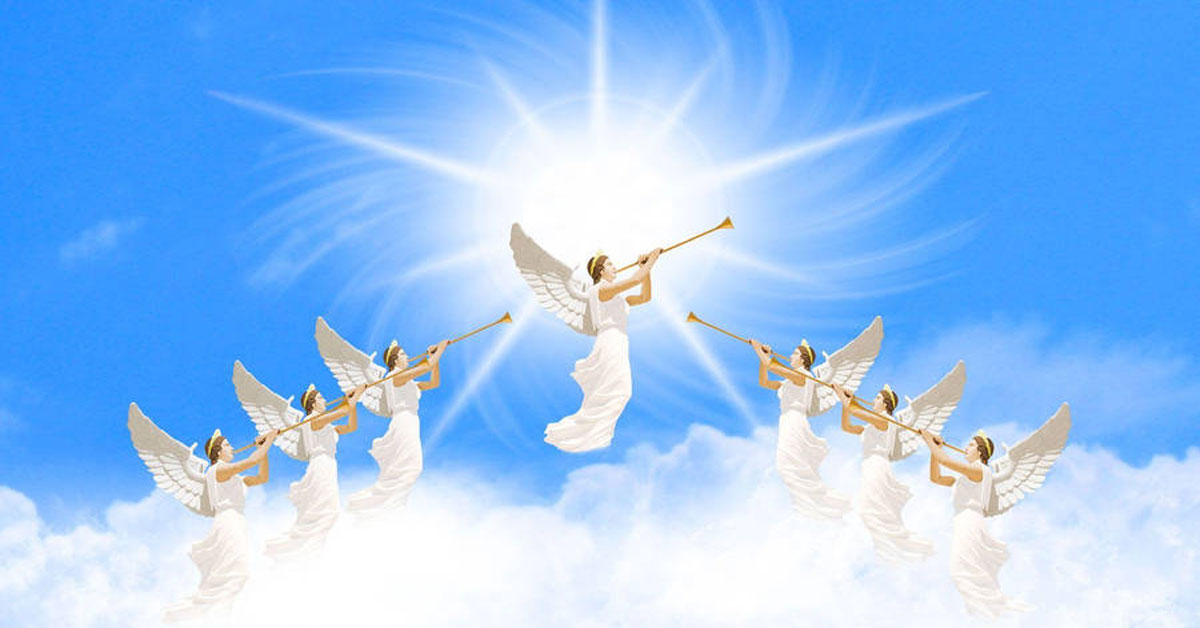
In response to this humbled attitude, the angel brings a burning coal from the altar, which associates his action with holiness and cleansing from sin, symbolic of the refining fire of experience that leads to cleansing and inspiration of the heart, mind and words.
This use of a burning coal calls to mind a similar illustration in Jeremiah 20:9. The prophet Jeremiah had grown weary of proclaiming the world of the Lord, and he wanted to stop preaching. But the word of the Lord was like a symbolic fire of inspiration, compelling him to speak. “But if I say, I will not remember Him or speak anymore in His name, then in my heart it becomes like a burning fire shut up in my bones; and I am weary of holding it in, and I cannot endure it…”
Isaiah 6:8: “Then I heard the voice of the Lord saying, Whom shall I send, and who will go for us? Then I said Here am I. Send me.”
Isaiah’s humble attitude and the holy refining effects symbolized by the coal of fire led him to willingness to do whatever the Lord wanted of him.
After this cleansing and inspiration in Isaiah’s heart and mind, the source of the words of his mouth, he is given a mission—a message to be given to the people of Israel (Isaiah 6:9-13).
The coal of fire touching Isaiah’s mouth was symbolic of the refining fire of experience that leads to cleansing and inspiration of the heart, mind and word so that a mission and purpose of God could be fulfilled.
An important lesson: The Lord is able to prepare His chosen vessel for the mission He has in mind.