God did not create humanity with the intention of having us die; His original purpose was for mankind to live eternally in a perfect relationship with Him on a perfected earth (Genesis 1:26–28; Psalm 115:16).
When God finished His creation, He declared it “very good,” meaning it was flawless, without pain, disease or death (Genesis 1:31). Humanity was designed to be the pinnacle of earthly creation, made in God’s own image to rule over and care for the planet forever (Genesis 1:26–28).
The introduction of death was not a design flaw but the result of a rebellion that began in the spiritual realm. Lucifer, a high-ranking spirit being known as a “morning star,” was originally appointed by God as an “anointed cherub” to protect the Garden of Eden (Isaiah 14:12–14; Ezekiel 28:12–15). However, pride corrupted his wisdom; he began to covet God’s authority, famously saying in his heart, “I will make myself like the Most High” (Isaiah 14:14).
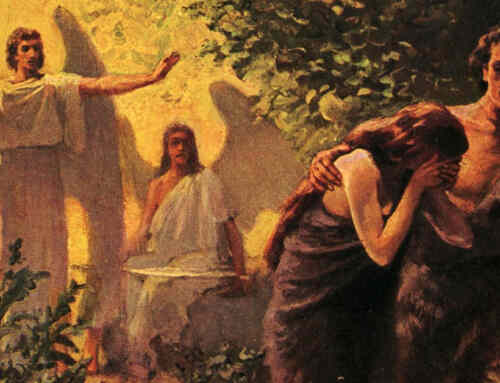
To achieve his goal of personal dominion, Lucifer (as the serpent) used deception to lead the human race into disloyalty. He planted seeds of doubt in Eve’s mind by asking, “Has God really said…?” (Genesis 3:1) and then told the first lie recorded in history: “You surely will not die” (Genesis 3:4). He suggested that God was withholding special knowledge from them, making the forbidden fruit appear misleadingly attractive (Genesis 3:5–6). While Eve was deceived (1 Timothy 2:14), Adam made a deliberate choice to follow her in disobedience rather than remain loyal to God (Romans 5:12, 17–19).
Because God is a God of justice, this act of treason required a consequence: the loss of the gift of life. God clearly defined death as a return to the dust, a state of non-existence where there is no consciousness or activity (Genesis 2:17; Genesis 3:19; Ecclesiastes 9:5, 10; Psalm 146:4). Since we are all descendants of Adam, we have all inherited this terminal condition of sin and death (Romans 5:12; 1 Corinthians 15:21–22).
You might wonder why God has allowed this misery to continue for thousands of years. God is using this period of experience as a learning experience for a relatively short time compared to eternity, to teach an eternal lesson. By permitting evil for a time, God allows humanity to see the full, heinous effects of sin and the futility of ruling ourselves without Him (Deuteronomy 32:29; Jeremiah 10:23; Romans 8:20–22). This ensures that once the world is restored, the choice for righteousness will be made with full knowledge, and sin will never need to rise up again (Nahum 1:9).
The end result of this plan is a complete reconciliation of all things to God (Colossians 1:19–20). This was made possible by Jesus, who is called the “Last Adam” (1 Corinthians 15:45). Just as one perfect man (Adam) brought death to everyone, one perfect man (Jesus) provided a ransom—a corresponding price—to buy back the life that was lost (1 Timothy 2:5–6; Romans 5:18–19).
Because Jesus was faithful unto death (Philippians 2:8), he earned the right to call all of humanity forth from their graves in the resurrection (John 5:28–29; Acts 24:15).
In God’s future kingdom, the “broad road to destruction” will be closed (Matthew 7:13), and mankind will walk a “highway of holiness” toward perfection (Isaiah 35:8–10). The Bible concludes with a beautiful vision of Paradise Restored, where God will dwell with His people, and there will “no longer be any death; there will no longer be any mourning, or crying, or pain” (Revelation 21:3–4; Revelation 22:1–3).
Additional Resources on this important topic:
PDF Booklet: God’s Grand Plan of the Ages
Christian Questions Podcast
Episode #1052, “Is it God’s Fault We Have Evil in This World?”
Determining God’s accountability for evil, eternity and His creation
Preview Video
CQ Rewind Show Notes
For children, parents and Bible class teachers:
Animated video: Why did Jesus have to die for Adam’s sin?