The exact phrase “God gave humans free will” does not appear word?for?word in most Bible translations, but the entire biblical narrative assumes and requires it. From Genesis to Revelation, Scripture shows that God created humanity with the ability to make real choices—what we often call free moral agency. This capacity for choice is part of what it means to be made in the image of God. Unlike animals, humans were created as intelligent, reasoning beings with the power of will, judgment and moral responsibility. God never intended mechanical obedience; He seeks worship that is offered “in spirit and in truth,” which requires a willing, conscious heart.
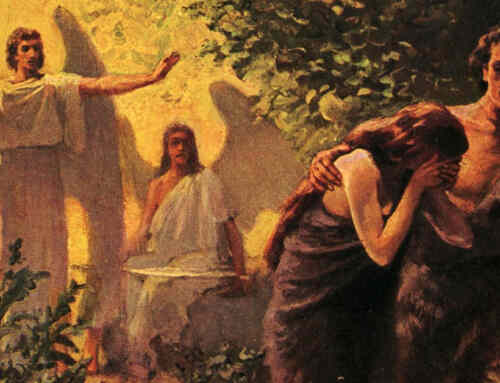
The first demonstration of free will appears in the Garden of Eden. God gave Adam a command that included both permission and prohibition: “From any tree of the garden you may freely eat… but from the tree of the knowledge of good and evil you shall not eat.” A command only has meaning if the person has the freedom to obey or disobey. Adam and Eve exercised that freedom and bore the consequences.
Throughout the Old Testament, God repeatedly places choices before His people. In Deuteronomy 30, He sets before Israel “life and death, blessing and curse,” and urges them to “choose life.” Joshua echoes the same principle when he tells the nation, “Choose for yourselves this day whom you will serve.” These invitations only make sense if humans possess the ability to choose.
The New Testament continues this theme. Jesus emphasizes that understanding God’s truth depends on a willing heart: “If anyone wills to do His will, he shall know of the doctrine” (John 7:17). He laments over Jerusalem, saying he longed to gather them, “but you were unwilling,” showing that human will can resist divine desire. The final invitation of Scripture, “Whoever wills, let him take the water of life freely” (Revelation 22:17)—confirms that salvation is offered, not imposed. God knocks, but the individual must open the door (Revelation 3:20).
Scripture also uses the term “freewill offering” to describe gifts brought voluntarily, not by compulsion (Exodus 35:29; Leviticus 22:18). This reinforces the principle that God values choices made from the heart. Additionally, the Bible’s constant emphasis on personal accountability, “whatever a man sows, that shall he also reap” (Galatians 6:7) and “the soul who sins shall die” (Ezekiel 18:20)—would be unjust if humans lacked the freedom to choose their actions.
Free will is one of the grandest blessings accorded to humanity. Man was not created as a machine but as a moral being free in the exercise of all his powers. God could force obedience but apparently, He desires righteousness that is chosen, not coerced. The human will is the controlling power of the whole man, and believers are urged to guard it diligently, resisting the Adversary who seeks to blind minds and subdue wills.
In summary, while the Bible does not use the exact phrase “God gave us free will,” the entire structure of Scripture—commands, invitations, warnings, accountability and the call to love God freely—depends on it. God created humanity with the liberty of choice so that our obedience, worship and love could be genuine, intelligent and willing.
Additional Resources:
Christian Questions Podcast
Episode #1436: “How Does Our Free Will Work in God’s Plan? (Part I)”
Learning how God uses our free will for the betterment of all people. This episode focuses on the theology of choice using the life of Joshua. It explains how God’s plans are built around the free will of His creation rather than by overriding it.
Preview Video
CQ Rewind Show Notes
Episode #1437: “How Does Our Free Will Work in God’s Plan? (Part II)”
Unfolding the impact of free will on Christians and on the whole world. This episodes looks at how Christians can daily align their will with God’s and how the world’s past “ignorant” free-will choices will be addressed and educated during the Day of Judgment.
Preview Video
CQ Rewind Show Notes