



Were there two works of creation as narrated in the first and second chapters of Genesis, (Genesis 1 and Genesis 2) or are these simply two accounts of the same works of creation?
The first and second chapters of the book of Genesis are wrongly divided. There are two descriptions of the work of creation. The division of the chapters should show this and be in harmony. The first account is recorded in Genesis chapter 1 through Genesis chapter 2:3, and the second account begins with Genesis 2:4.Genesis 1:1-2:3 [...]
Were the six days of creation literal days of 24 hours each?
The Bible refers to other "days" which are not 24-hour periods. For example, we read of a forty-year day in Hebrews 3:8,9, "the day of temptation in the wilderness." We are given the scriptural statement that "One day with the Lord is as a thousand years" (2 Peter 3:8)/ A year is sometimes spoken of as [...]
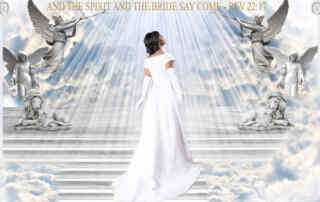
What do we understand by the 144,000 mentioned in Revelation 7 and Revelation 14?
For more than 16 centuries, God dealt exclusively with the Jewish nation. They were favored above every other nation in the earth. The Lord told them on one occasion that He recognized them only of all the families of the earth (Amos 3:2). The Israelites were informed that if faithful to the Lord, and obedient [...]
Which is the oldest church?
There is only one church from the scriptural standpoint - "the church of the first born which are written in heaven," the "church of the living God," and “the church of Christ” (Hebrews 12:23, 1 Timothy 3:15, Romans 16:16.) Jesus established this church and gave it no party name. It was merely the church of [...]

What does Revelation 3:15,16 mean: "I know thy works, that thou art neither cold or hot. So then because thou art neither cold nor hot; I would thou wert cold or hot. So then because thou art lukewarm, and neither cold nor hot, I will spue thee out of my mouth."
This statement is addressed to the church in Laodicea, a wealthy city in Asia during the time the Apostle John wrote the book of Revelation. The city’s great prosperity contributed to the Christian church’s sense of self-sufficiency described in verses 17. “Because thou sayest, I am rich, and increased with goods, and have need of nothing; [...]
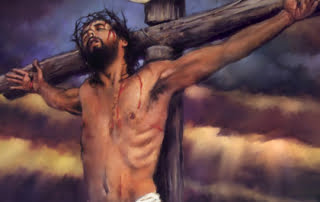
Was Christ human and Divine at the same time?
The word "Divine" signifies "the nature of God." The Creator, God, is a Spirit Being glorious and immortal, dwelling in light that is inaccessible to mortal man. One possessing the Divine, immortal nature could never die. The human nature is the highest form of the earthly or fleshly nature. The Divine nature is the highest [...]