The Bible describes a unique end to Moses’ life, a secretive burial, and a subsequent spiritual conflict in the spirit realm over his physical remains.
At 120 years old, Moses died in the land of Moab (Deuteronomy 34:5). Despite his advanced age, he was physically healthy when his life ended; the scriptures note “his eye was not dim, nor his vigor abated.”
Following his death, God Himself buried Moses in a valley in the land of Moab, opposite Beth-peor. To prevent his burial site from being commodified or misused, God handled his interment with total secrecy, and “no man knows his burial place to this day” (Deuteronomy 34:6).
Why was the burial secret? Moses was a “hero of heroes” who served as the bridge between slavery and freedom for millions of people. Because the Israelites had a well-documented propensity for idol worship (as demonstrated by the golden calf), they would have been highly tempted to worship Moses’ remains if they had access to them. Later Jewish history vindicated this danger; for example, the people eventually turned the bronze copper serpent Moses built for healing into a pagan object of worship until King Hezekiah had to destroy it.
Before he died, God told Moses that because of his unfaithfulness at the waters of Meribah, he would not be allowed to enter the Promised Land. Hiding his body in Moab ensured that this decree was strictly enforced and that his remains were not carried across the Jordan River.
By burying Moses in an unknown location, God protected His faithful deliverer from both superstitious worship and potential mockery or desecration by enemies.
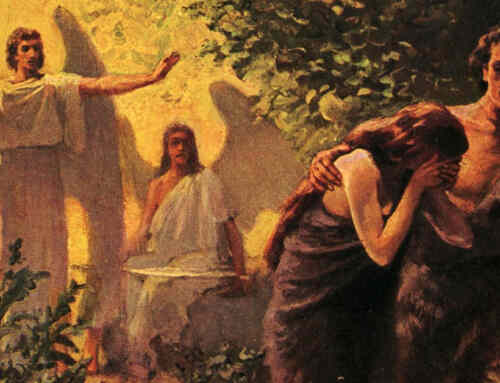
While the Old Testament account ends with his burial, the New Testament book of Jude provides a brief, mysterious peek into the spirit realm regarding his remains. Jude 1:9 states that “Michael the archangel, when he disputed with the devil and argued about the body of Moses, did not dare pronounce against him a railing judgment, but said, The Lord rebuke you!” While the Bible does not directly explain why Satan and Michael the archangel argued over the body, Satan likely wanted to reveal the body so the Hebrews would carry it into the Promised Land, turning his physical corpse into a national idol.
Did Moses get his body back on the Mount of Transfiguration? Traditional commentaries sometimes suggest that Moses and Elijah physically appeared “in the body” alongside Jesus on the Mount of Transfiguration. However, they were not physically present. This was a vision, not a literal raising or recreation of the bodies. Jesus explicitly told his disciples as they came down the mountain, “Tell the vision to no one until the Son of Man has risen from the dead” (Matthew 17:9). The physical Moses was not raised; rather, he was seen in a divinely given vision.
Jesus declared in John 3:13 that “no one has ascended into heaven, but he who descended from heaven.” Because the heavenly reward was not opened until Jesus completed his ransom sacrifice, Moses remains asleep in the silence of the grave awaiting the future earthly resurrection.
Additional Resource:
Christian Questions Podcast
Episode #1413: “What Really Happened to Enoch, Moses and Elijah?”
Scripturally establishing the truth about their end-of-life experiences
Preview Video
CQ Rewind Show Notes
Episode #1369: “What Really Happened on the Mount of Transfiguration?”
Discussing the spectacular details of this vision and their meaning
Preview Video
CQ Rewind Show Notes
For children, parents and Bible class teachers:
Animated video: What happened on the Mount of Transfiguration?