


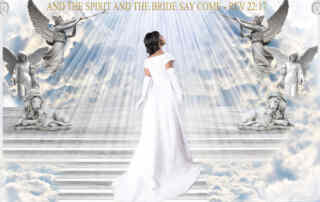
What is the holy spirit?
The Bible describes the holy spirit as God’s invisible power and influence, a special spiritual sense that God gives to faithful Christians to help them make good decisions, understand the Bible and live in ways that please Him. Jesus called the holy spirit a “helper,” saying in John 14:26 that the Father would send this helper [...]

What happened to the body of Moses?
The Bible describes a unique end to Moses' life, a secretive burial, and a subsequent spiritual conflict in the spirit realm over his physical remains.At 120 years old, Moses died in the land of Moab (Deuteronomy 34:5). Despite his advanced age, he was physically healthy when his life ended; the scriptures note "his eye was [...]
Is it acceptable to pray to Jesus?
The general pattern of prayer in Scripture is for believers to address their petitions to the Heavenly Father, approaching Him through the merit and authority of Jesus Christ. Jesus himself directed his followers to pray in this way, identifying the Father as the ultimate source of blessing. The model prayer he provided begins with “Our [...]

What can we do when we have anxious thoughts?
When we’re overcome with anxiety, the Apostle Paul offers valuable guidance that can calm our minds.Philippians (4:8, ASV) says, “...whatsoever things are true, whatsoever things are honorable, whatsoever things are just, whatsoever things are pure, whatsoever things are lovely, whatsoever things are of good report; if there be any virtue, and if there be [...]

What is Earth's Great Jubilee?
In the Old Testament, a Jubilee occurred every 50th year. It followed seven cycles of Sabbath or “sabbatic” years. A Sabbath year was the seventh year in Israel’s agricultural cycle when God commanded that the land was to rest. Farmers were not to sow, prune or harvest any crops (Leviticus 25:1-7). Instead, the fields and [...]
What does Matthew 6:34 mean: "Sufficient unto the day is the evil thereof."
The phrase “Sufficient unto the day is the evil thereof” (Matthew 6:34, KJV) comes at the end of Jesus’ teaching on worry in the Sermon on the Mount. In simple terms, Jesus is saying that each day has enough trouble of its own, so we should not borrow tomorrow’s anxieties and drag them into today. [...]